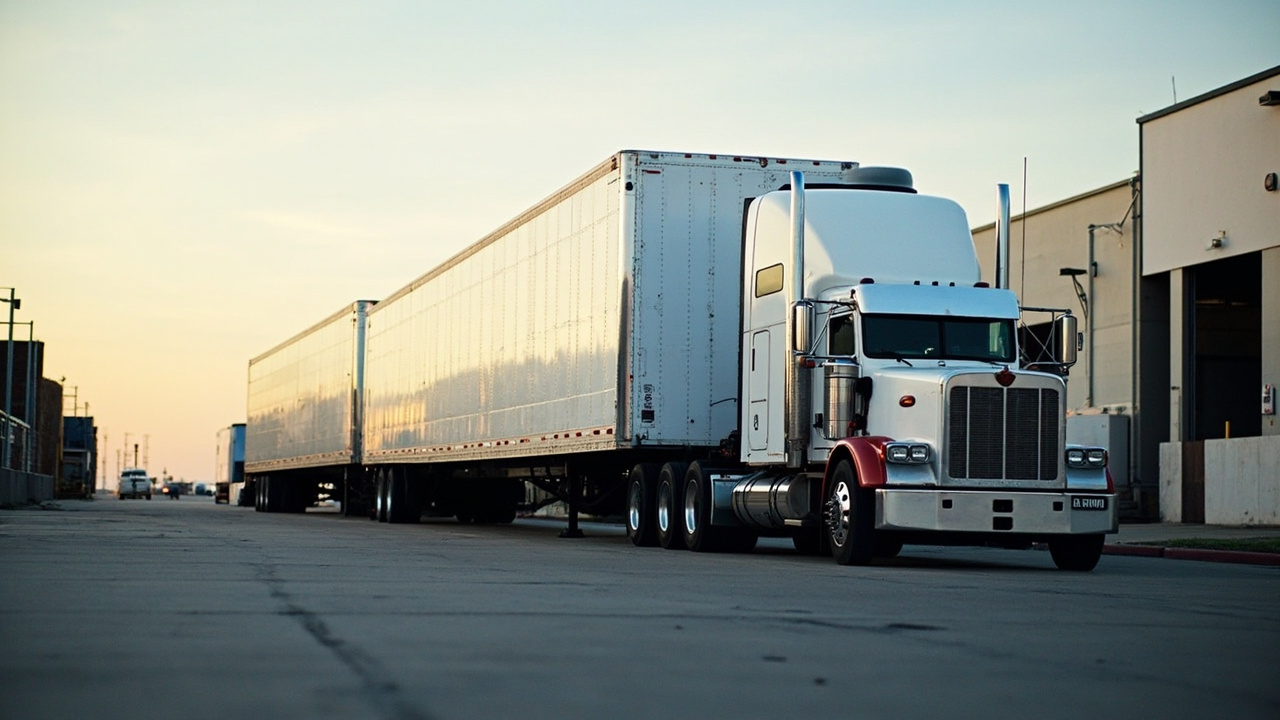
Reefer freight needs more than a temperature number
Reefer freight moves best when the instructions are clear before pickup. Temperature setting matters, but so do pre-cool requirements, product condition, appointment times, loading delays, receiver rules, and documentation.
What to share before quoting
- Commodity
- Required temperature range
- Pickup and delivery ZIP codes
- Appointment windows
- Weight and pallet count
- Whether the trailer must be pre-cooled
- Any written handling rules
Keep the temperature paperwork straight
Reefer disputes usually come down to who said what about the set point. Put the required temperature in writing on the rate confirmation, note whether the trailer needs to be pre-cooled before loading, and keep the same number across the quote, the confirmation, and the driver instructions. If the receiver will log temperatures on arrival, say so up front so nobody is surprised at the dock. A one-line entry now beats a conflicting record after the fact.
Where reefer loads get sideways
Problems usually start with vague instructions: “keep cool,” “frozen,” or “produce load” is not enough. The driver and carrier need specific numbers and expectations. Loading delays can also create problems when product is temperature-sensitive.
The BKE approach
We keep reefer planning plain and specific. Tell us what the product needs, what the receiver expects, and where the timing can get tight. We will ask the questions up front so the freight has a better shot at moving right.